How Do You Improve Synovial Fluid in the Knee?
This is a common question, especially among patients dealing with knee stiffness, swelling, or early arthritic change. Many people are hoping for a simple fix, whether that means a supplement, an injection, or one specific exercise that will solve the problem quickly. In reality, synovial fluid does not work that way. The more useful question is not how to “add” more fluid, but what helps the knee function well enough to maintain a healthier joint environment.
What Synovial Fluid Actually Does
Synovial fluid helps reduce friction within the joint, supports smoother motion, and assists with nutrient delivery inside the knee. It is produced by the synovial lining and depends on movement to circulate effectively across the joint surfaces.
That matters because the knee is not designed to function as a passive structure. It is built to move, accept load, and adapt to demand. When that system is working well, joint lubrication typically functions more effectively as part of the overall process.
Why the Knee Needs More Than Fluid
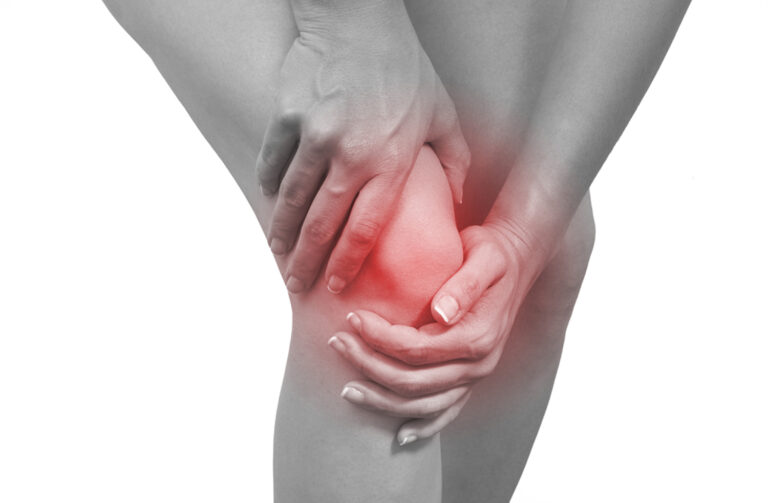
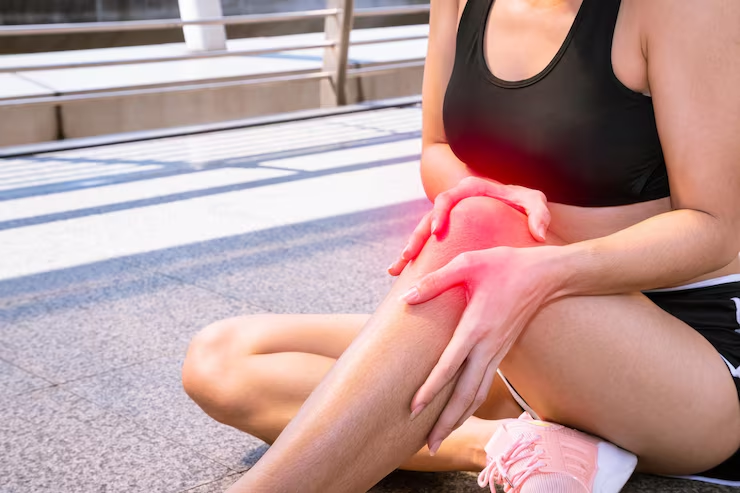
A stiff or painful knee is rarely explained by joint fluid alone. In many cases, the problem also involves irritation, inflammation, muscle imbalance, altered movement patterns, or changes in how load is distributed across the joint.
If the knee is being stressed repeatedly in a way the body does not tolerate well, improving fluid alone will not correct the issue. The underlying environment that is driving the irritation has to be addressed if the goal is meaningful improvement.
How Movement Affects Joint Lubrication
Movement plays a central role in how synovial fluid circulates through the knee. Appropriate movement can help distribute fluid more effectively across the joint surfaces, support cartilage health, and improve the knee’s tolerance to activity over time.
Examples may include:
- walking within tolerance
- controlled cycling
- mobility work
- progressive strength training
The key is that movement has to match the condition of the knee. Too little movement often increases stiffness, while too much activity or poorly controlled movement can increase irritation.
Why Swelling Changes How the Knee Functions
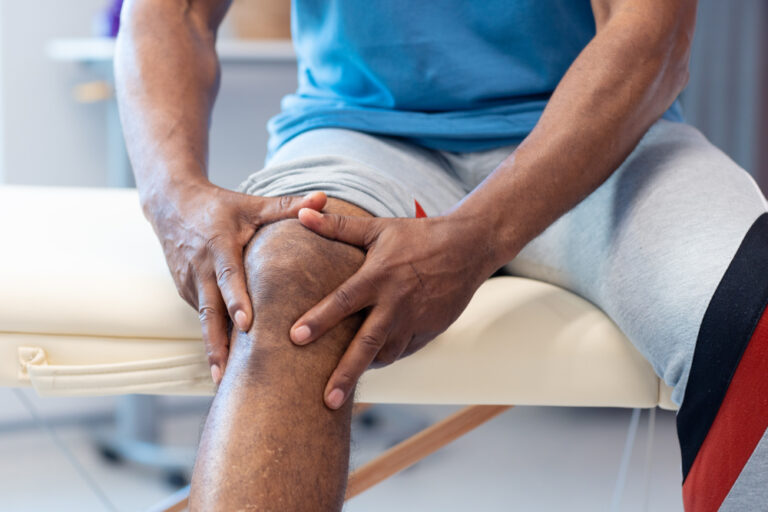
A swollen knee does not move normally. When swelling is present, patients often begin to compensate without fully realizing it. They may shift weight away from the affected side, limit knee bend, shorten their stride, or avoid certain movements altogether.
These changes may temporarily reduce discomfort, but they can also disrupt normal joint mechanics. Over time, that can make the knee feel more restricted, less stable, and less dependable during daily activity.
How Muscle Support Influences the Knee
Many patients focus first on stretching when the knee feels tight. In practice, tightness is not always the primary problem. It may reflect weakness, poor muscular control, swelling, or compensation patterns coming from the hips or ankles.
The knee depends heavily on the support of the surrounding muscles.
That includes:
- quadriceps control
- hamstring balance
- glute stability
- calf function
When these systems are functioning well, the knee usually tolerates movement more effectively. That, in turn, supports a healthier joint environment and often helps reduce the sense of stiffness or strain.
When Additional Treatment May Be Considered
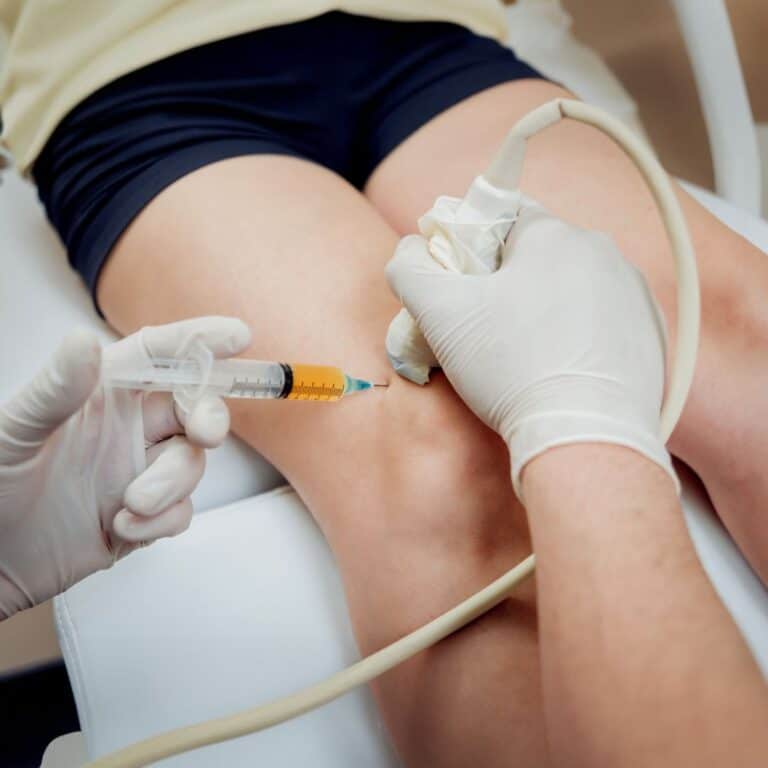
If stiffness, swelling, or pain continues despite appropriate activity modification and strengthening, a more detailed evaluation may be needed. In selected cases, treatment may include orthobiologic options such as platelet-rich plasma or bone marrow derived cell therapy, commonly referred to as stem cell therapy.
These treatments are generally considered when:
- the source of irritation has been identified
- symptoms remain persistent
- the joint environment is not improving with conservative care
They are not a substitute for improving how the knee functions. They are part of a broader strategy and are usually most effective when combined with a plan that also addresses movement, load, and recovery capacity.
How Daily Habits Affect the Knee
The knee responds to repeated patterns over time. Small daily factors can influence symptoms more than many patients expect. Activity level, training load, footwear, body weight, and recovery between active days can all affect how the joint feels and performs.
Patients tend to do better when they:
- stay consistently active within tolerance
- build strength gradually
- avoid repeated irritation
- support recovery between demands
The goal is not to eliminate movement. It is to improve how well the knee handles movement on a consistent basis.
How To Evaluate This Differently
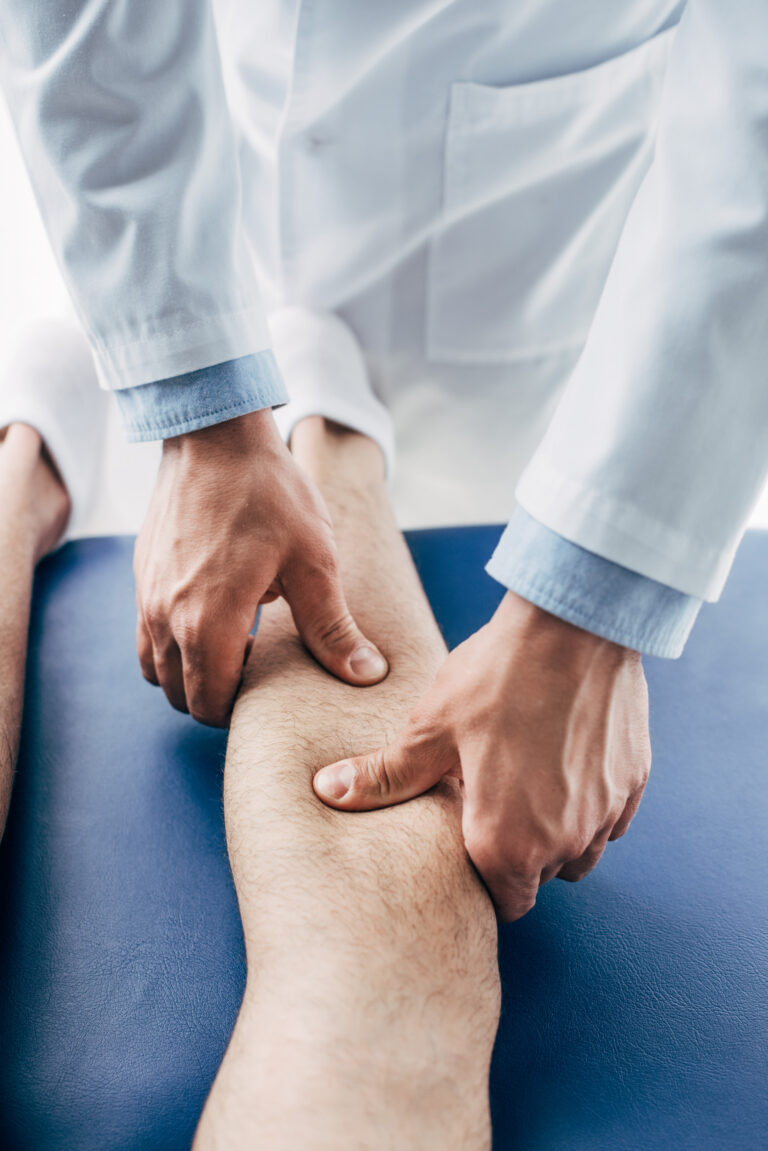
In our practice, we do not look at the knee as an isolated joint. We evaluate how it functions within the larger system. That includes how the knee moves under load, how the surrounding muscles support it, how the hips and ankles contribute, and how overall movement patterns influence symptoms.
We also assess the joint environment itself. If irritation continues despite otherwise appropriate care, the question becomes whether the underlying tissue has the capacity to recover on its own or whether it may need added support. Host optimization is part of that process. If the environment is not prepared to support healing, even a well-targeted treatment may not perform as expected.
Where This Gets Misunderstood
Synovial fluid is often discussed as though it can be increased directly and independently. That is where the concept is commonly misunderstood. Synovial fluid is not something that can simply be added in a meaningful way without considering the state of the joint itself.
More often, it reflects how well the knee is functioning overall. The real mistake is focusing on the fluid instead of the system that maintains it. A more useful approach is to improve how the knee moves, accepts load, and recovers. When that improves, the joint environment often improves with it.
When A More Precise Evaluation Makes Sense
If you are dealing with persistent knee stiffness or discomfort and have not seen meaningful improvement, the next step is usually not chasing one isolated solution. A more precise evaluation can help identify what is limiting how the knee functions and whether the joint environment can be improved in a more structured and effective way.
Frequently Asked Questions
Can walking help improve synovial fluid in the knee?
Yes, when done within tolerance. Movement helps circulate joint fluid, but it has to match the condition of the knee and should not add further irritation.
Does drinking more water increase synovial fluid?
Hydration supports overall tissue health, but it does not directly resolve joint irritation or restore joint mechanics on its own.
Is stretching enough to improve knee stiffness?
Not usually. Many cases involve a combination of strength deficits, poor control, swelling, and altered movement patterns, so flexibility alone is rarely enough.
Why does the knee feel worse after rest?
Reduced movement can increase stiffness, especially when the joint is already irritated. The knee often feels better when movement is restored gradually and appropriately.
When should knee stiffness be evaluated more carefully?
It should be evaluated more closely when it persists, limits activity, or occurs alongside swelling, pain, or reduced function.