Why High-Intensity Laser Therapy Is Becoming the Standard for Faster Pain Recovery in Scottsdale and Arizona
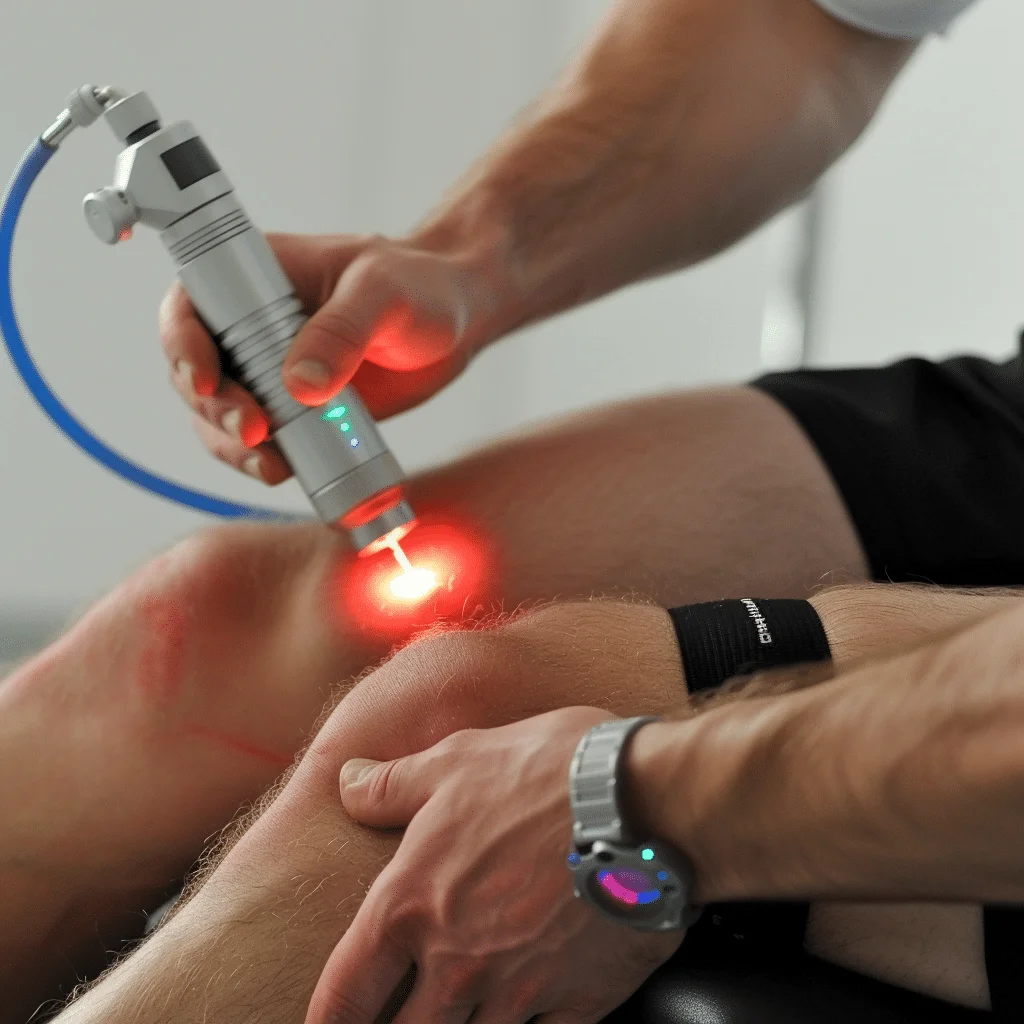
Patients searching for a pain laser Scottsdale clinic are often surprised to learn how much the technology has changed in the last decade. What used to be a niche adjunct therapy, a handheld device applied briefly at the end of a physical therapy session, has evolved into a physician-directed, clinically dosed treatment capable of meaningfully accelerating tissue repair. Physicians offering high intensity laser therapy in Arizona are increasingly integrating Class IV lasers into core treatment plans rather than offering them as an afterthought, and for good reason. The deeper photon penetration and higher energy output of Class IV devices allow physicians to target structures that older, lower-powered lasers simply could not reach.
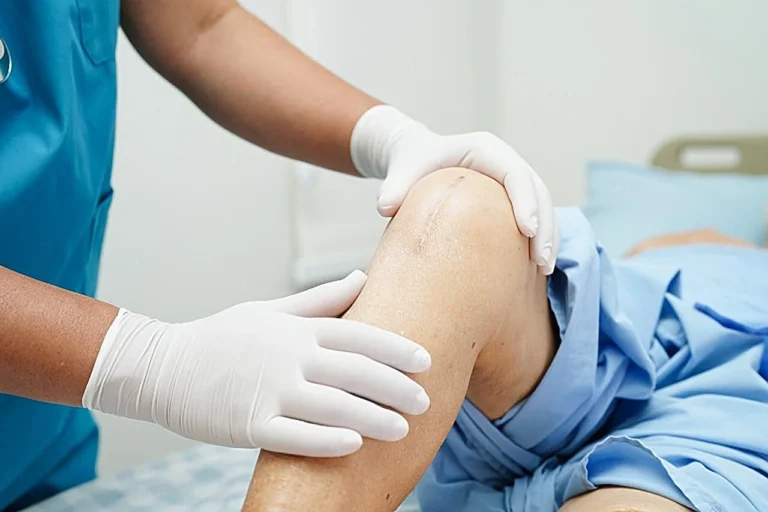
This shift matters for anyone dealing with chronic tendon pain, post-surgical stiffness, or a stubborn low back injury that has not responded to rest and anti-inflammatories alone. Below is how Class IV High-Intensity Laser Therapy (HILT) actually works, where it fits clinically, and why the setting in which it is delivered, including who is directing the treatment, matters as much as the device itself.
This distinction, and the difference it makes, is something I evaluate every day at Precision Regenerative Medicine™. I am Dr. Tammy J. Penhollow, DO, a dual board-certified physician in Anesthesiology and Pain Medicine, fellowship-trained at Stanford, and I practice exclusively in regenerative medicine. Precision Regenerative Medicine™ operates on a direct pay basis, which means the time I spend on your diagnosis is not dictated by an insurance-covered visit length, and every recommendation, including whether laser therapy belongs in your plan at all, is based on what your condition actually needs.
How Class IV HILT Actually Works
Class IV High-Intensity Laser Therapy works through three distinct mechanisms, not one.
The first is photomechanical: rapid pulsed laser emission generates a mechanical signal that travels quickly along nerve fibers toward the spinal cord, arriving before the slower pain signal does. This fast-signal effect is the basis of Gate Control Theory and produces a localized, temporary reduction in pain during and shortly after treatment.
The second is biostimulation: laser energy absorbed by mitochondria increases cellular energy (ATP) production, which supports tissue repair and helps regulate inflammation.
The third is a thermic effect: at higher average power, laser energy raises tissue temperature enough to promote vasodilation and increased local blood flow, supporting oxygen delivery, collagen production, and muscle relaxation.
At Precision Regenerative Medicine™, laser therapy is delivered through EmVital®, a Class 4, FDA-cleared platform operating at 1064 nanometers, a wavelength selected for its documented ability to penetrate deeper into tissue than shorter therapeutic wavelengths. Combining that wavelength with high average power is what allows these three mechanisms to reach deeper structures, tendon, ligament, joint capsule, and deep muscle, rather than being limited to the skin surface.
None of this means laser therapy works instantly or replaces the body’s own healing timeline. Tissue repair still follows a biological schedule. What HILT does is combine these three mechanisms at the depth where the problem actually is, so pain relief and repair can occur more efficiently.
Not All Lasers Are the Same: Why Wavelength Matters
“High intensity laser therapy” has an actual threshold, not just a marketing label, and it comes down to power output. Devices operating at 500 milliwatts or less are low-level laser therapy (LLLT), regardless of how they are branded. True Class IV high-intensity laser therapy operates at power levels well above that threshold, which is what allows it to reach deeper structures, tendon, ligament, joint capsule, and deep muscle, rather than being absorbed largely at the skin surface.
At Precision Regenerative Medicine™, laser therapy is delivered through EmVital®, a Class IV, FDA-cleared platform that combines high-intensity power with a 1064 nanometer wavelength selected specifically for deeper tissue penetration and therapeutic tissue heating.
This distinction matters clinically. Patients researching pain laser Scottsdale or high intensity laser therapy Arizona options should ask about both the power output and the wavelength of the device being used, since either one alone does not guarantee the treatment reaches the tissue that actually needs it.
Where Class IV HILT Fits Clinically
Class IV laser therapy isn’t a blanket solution for every ache. It has specific, evidence-supported clinical applications, most commonly as part of a broader treatment plan rather than a standalone fix. Conditions where physicians frequently incorporate HILT include:
- Tendinopathies of the elbow (tennis/golfer’s elbow), knee (patellar tendinopathy), shoulder (rotator cuff-related pain), and Achilles tendon
- Post-surgical recovery, where reducing local inflammation and supporting tissue remodeling can support a smoother rehabilitation course
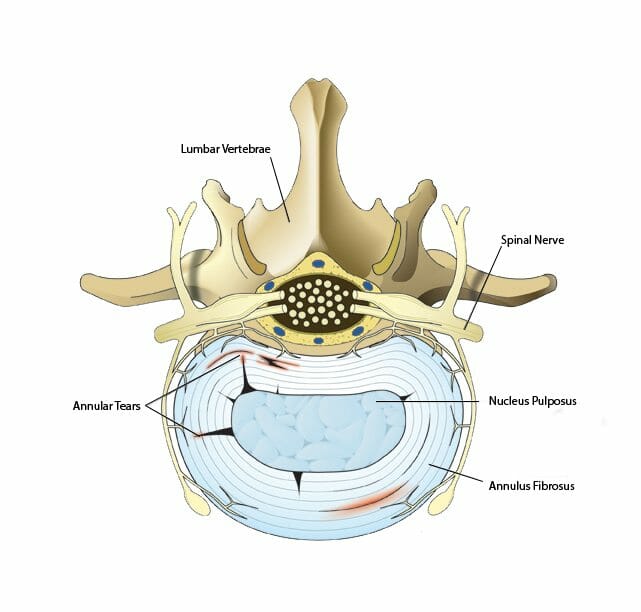
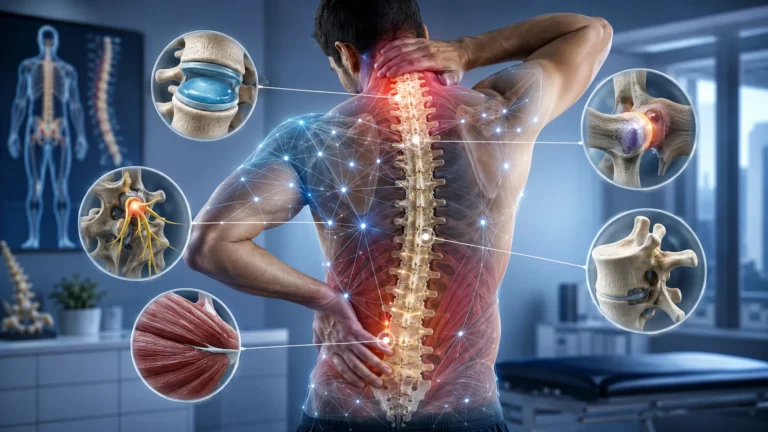
- Low back and spinal soft tissue conditions, including chronic paraspinal muscle tightness and soft tissue components of mechanical low back pain
- Adjunctive use alongside regenerative protocols, such as PRP, where laser therapy may support the local tissue environment before or after a procedure
For patients researching back pain relief Scottsdale options, HILT is often used alongside the Tower of Power Spine® program rather than as a standalone treatment, since a laser is a tool within a treatment plan, not a substitute for identifying which structure is actually driving the pain, a distinction we’ve written about in why treating the spine one structure at a time is not a treatment plan.
Class IV HILT also frequently appears in conversations about sports injuries treatment Scottsdale athletes are searching for, since overuse tendon injuries respond well to a combination of load management, Joint Boost System™ preparation, and adjunctive modalities like laser therapy.
Class IV HILT vs. OTC and Low-Power Lasers: What’s the Real Difference?
Patients often ask whether an over-the-counter red-light device or a low-power “cold laser” can achieve the same results as an in-office Class IV treatment. The honest answer is no, and the difference comes down to physics.
Feature | Class IV Physician-Grade Laser | OTC / Low-Power Devices |
Power output | High enough to penetrate deep tissue layers (muscle, tendon, joint capsule) | Limited penetration depth, largely superficial |
Treatment time | Typically minutes per session at therapeutic dose | Often requires much longer exposure to reach any dose |
Dosing precision | Physician-calculated joules/cm² based on tissue depth and condition | Fixed, non-individualized output |
Regulatory classification | FDA-cleared medical device requiring physician oversight | Consumer wellness device, not intended to diagnose or treat |
Clinical monitoring | Delivered within a diagnosed treatment plan | Self-administered, no diagnostic correlation |
The core issue is not just that more power is better. It is that producing a therapeutic thermal effect at depth requires a specific energy dose delivered to a specific tissue depth. Low-power devices frequently cannot deliver enough energy to reach deeper structures like a rotator cuff tendon or a lumbar facet capsule in a clinically meaningful timeframe, no matter how long they are applied.
Why Physician-Directed Care Matters More Than the Device
A laser is only as effective as the treatment plan behind it. This is one of the most overlooked factors when patients compare pain relief specialists in Scottsdale AZ. Two clinics can own the exact same Class IV laser and produce very different outcomes, because the variable that matters most is clinical judgment.
A diagnosing physician determines the correct wavelength, dose, and treatment depth based on an accurate diagnosis, not a generic, one-size-fits-all protocol run by a technician who never examined the patient. This distinction matters because:
- Dosing must be individualized. Tissue depth, body composition, and the specific structure involved all affect how much energy is needed.
- Diagnosis drives treatment. Laser therapy applied to the wrong structure, because a formal diagnosis was never made, wastes time and delays appropriate care.
- Integration with other therapies requires medical oversight. When laser therapy is combined with regenerative treatments such as PRP for shoulder pain or PRP for sports injuries, timing and sequencing decisions should be made by a physician managing the full clinical picture.
Patients evaluating shoulder pain relief Scottsdale options should specifically ask whether a physician is directing the laser protocol or whether it is being delivered from a standardized script regardless of the individual’s diagnosis.
The Precision Regenerative Medicine™ Approach
At Precision Regenerative Medicine™, Class IV HILT is not offered as an isolated service. It is integrated into structured prehabilitation and rehabilitation frameworks built around each patient’s diagnosis. Within the Joint Boost System™ for joint and extremity conditions and the Tower of Power Spine® system for spinal conditions, laser therapy is sequenced alongside diagnostic imaging, functional assessment, and, where appropriate, regenerative treatments like PRP.
This structured approach means laser dosing and timing are determined by where a patient sits in their overall recovery plan, whether that is preparing tissue prior to a regenerative procedure, supporting early post-procedure healing, or addressing a soft tissue component of a broader spinal condition. The goal is coordinated, physician-directed care rather than a stand-alone modality applied in isolation.
Frequently Asked Questions
Is Class IV laser therapy painful?
Most patients describe a warm, soothing sensation during treatment. Sessions are generally well tolerated and typically last only a few minutes per area.
How many sessions are typically needed?
This varies by condition, tissue depth, and chronicity, but depth of penetration plays a role here too. Because EmVital® reaches therapeutic depth more efficiently than lower-wavelength systems, a typical HILT course runs about 4 to 6 sessions, compared with 10 to 12 sessions, sometimes multiple packages of 10 to 12, often needed with lower-power LLLT systems. A physician will still outline an individualized treatment frequency based on your diagnosis rather than a fixed universal schedule.
Can laser therapy replace the need for PRP or other regenerative treatments?
Not necessarily. Laser therapy is often used as a complement to regenerative treatments, supporting the tissue environment before or after a procedure, rather than as a direct substitute.
Is high intensity laser therapy safe?
When delivered by a qualified physician using appropriate parameters, Class IV HILT is generally well tolerated. As with any treatment, candidacy should be determined through a clinical evaluation.
How is Class IV HILT different from what I might get at a chiropractic office or gym recovery center?
The key differences are power output, individualized dosing, and, most importantly, whether a diagnosing physician is directing the treatment based on your specific condition rather than a fixed, non-diagnostic protocol.
If a tendon injury, post-surgical stiffness, or a low back problem has not responded to rest and anti-inflammatories, the next question is not which modality to try next. It is which structure is actually driving the problem and whether Class IV laser therapy has a legitimate role in that plan. Schedule an evaluation with Precision Regenerative Medicine™ to find out where it fits, if it fits at all.