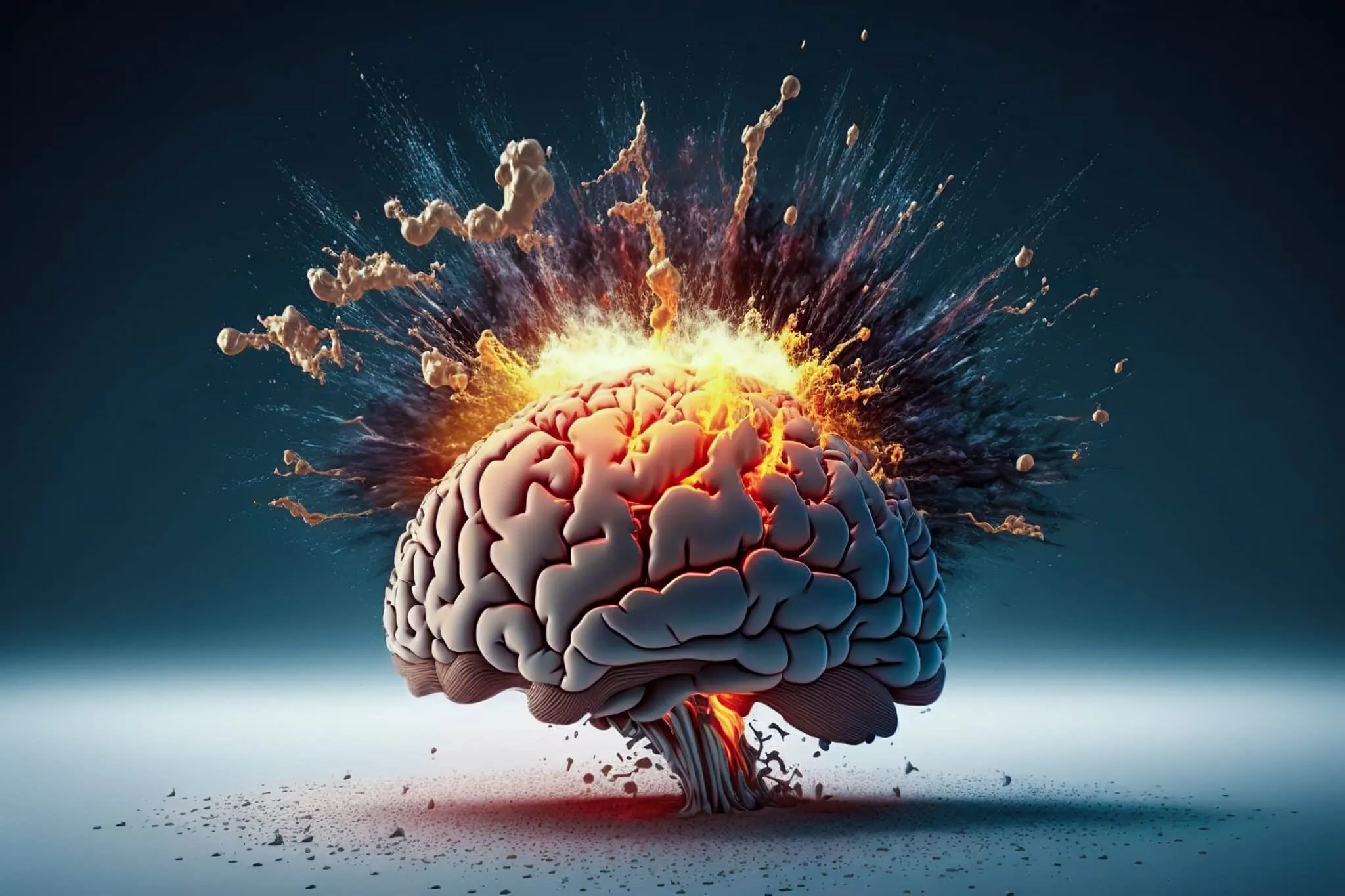
When the Brain Becomes the Bottleneck
How Cognitive Overload May Influence Recovery, Inflammation, and Performance
Most people think of healing as a structural problem.
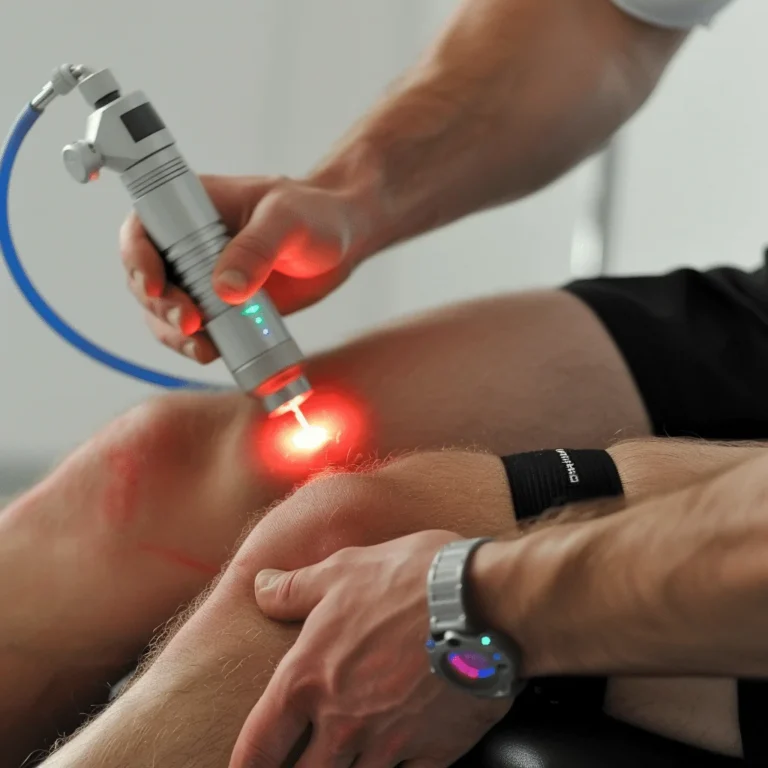
A painful knee.
A degenerative disc.
An inflamed joint.
A tendon that refuses to calm down.
But increasingly, I believe many people are struggling with something deeper:
An overloaded system.
Recently, a large healthcare analysis found that conditions affecting focus, stress, mood, and cognitive function are now driving enormous healthcare utilization in the United States. While many discussions frame this primarily through a behavioral health lens, I believe the larger story may be about modern nervous system overload.
Modern brains are under constant demand.
Notifications.
Stress.
Poor sleep.
Chronic inflammation.
Endless stimulation.
Decision fatigue.
Reduced recovery time.
And when the brain becomes the bottleneck, everything downstream can begin to suffer.
Recovery becomes harder.
Sleep quality declines.
Focus slips.
Inflammation rises.
Consistency becomes more difficult.
Healing capacity changes.
This is not about weakness.
And it is not simply about motivation.
Many people are trying incredibly hard and still feel mentally foggy, physically inflamed, exhausted despite sleeping, or unable to gain traction in their routines and recovery.
That matters because the brain and body are not separate systems.
The Brain-Body Connection Is Not Theoretical
The nervous system influences inflammation.
Stress hormones influence healing.
Sleep affects tissue repair, immune function, pain sensitivity, and recovery.
Cognitive overload influences decision-making, impulse control, emotional regulation, and long-term adherence to healthy behaviors.
We often talk about inflammation as though it only exists inside a painful joint or injured tissue.
But inflammation is systemic.
The body responds to chronic stress, poor sleep, excessive alcohol intake, ultra-processed foods, sedentary behavior, and persistent nervous system activation in ways that influence far more than mood or energy.
Over time, the entire system begins operating differently.
This is one reason two people with similar MRI findings, similar injuries, or similar procedures may recover very differently.
The environment matters.
Why This Matters in Regenerative Medicine
In regenerative medicine, we often focus on the structure being treated.
The disc.
The tendon.
The ligament.
The arthritic joint.
And those structures absolutely matter.
But healing does not occur in isolation from the rest of the body.
Inflammatory load, metabolic health, recovery habits, sleep quality, stress regulation, nutrition, alcohol intake, and nervous system function all influence how the body responds.
An overwhelmed system does not recover the same way a regulated system does.
That is why I increasingly discuss anti-inflammatory lifestyle strategies before and after regenerative procedures.
Not because patients need to become perfect.
But because biology matters.
The goal is not simply to perform a procedure.
The goal is to create the best possible environment for recovery.
Sometimes the Issue Is Not Motivation
One of the most important realizations many people have is that they are not lazy.
They are overloaded.
There is a difference.
People often blame themselves for struggling with consistency, recovery, focus, exercise routines, or healthy habits.
But when sleep is impaired, stress is chronic, inflammation is elevated, recovery is inadequate, and the nervous system remains constantly activated, even simple behaviors become harder to sustain.
That does not mean someone is weak.
It means the system may be operating under strain.
Sometimes the issue is not motivation.
Sometimes the system itself is overloaded.
Small Foundational Changes Matter
One of the biggest misconceptions in health optimization is that change must be extreme.
In reality, sustainable progress is usually built through small foundational improvements performed consistently over time.
That may include:
- Improving sleep quality
- Reducing alcohol intake
- Eating more anti-inflammatory whole foods
- Improving movement consistency
- Building intentional recovery time into the schedule
- Reducing constant cognitive stimulation
- Supporting brain and muscle energy metabolism
The goal is not perfection.
The goal is creating an environment where the body and brain can recover and perform more efficiently.
Supporting Recovery at the Cellular Level
Creatine is often viewed only as a sports performance supplement.
But emerging research suggests creatine may also support brain energy metabolism, cognitive performance, recovery capacity, and both muscular and neurological resilience.
The brain is one of the highest energy-demand organs in the body.
Supporting cellular energy production may influence not only physical performance, but cognitive function and recovery capacity as well.
For that reason, I often discuss high-quality NSF Certified Creatine Monohydrate with patients interested in supporting both brain and muscle health.
As always, supplementation decisions should be individualized and discussed with your healthcare professional.
Final Thoughts
The future of recovery and performance medicine may require us to think beyond isolated tissues.
The brain and body function as one integrated system.
And when that system becomes overloaded, the downstream effects can influence recovery, inflammation, focus, resilience, healing, and overall performance.
Sometimes the issue is not motivation.
Sometimes the system itself is overloaded.
And supporting the system differently may change far more than we once realized.
Reference
FAIR Health. “Behavioral Health Conditions Outrank Diabetes, Cancers Among Commercially Insured Patients.” Behavioral Health Business. February 5, 2026.
Tammy J. Penhollow, DO
Architect of Spine and Joint Health
Precision Regenerative Medicine™
Structure First. Precision Always.